Online learning has transformed education by giving children access to high-quality learning from anywhere in the world. While this flexibility offers many benefits, younger students often need extra encouragement and guidance to stay focused and motivated.
That's why following the right tips for parents supporting online learning can make a significant difference. By creating a structured routine, encouraging active participation, and providing a positive learning environment, parents can help primary students develop confidence, enjoy their lessons, and achieve better academic outcomes.
Whether your child is just starting online school or is already familiar with virtual classrooms, these practical strategies will help make learning easier, more engaging, and more rewarding.
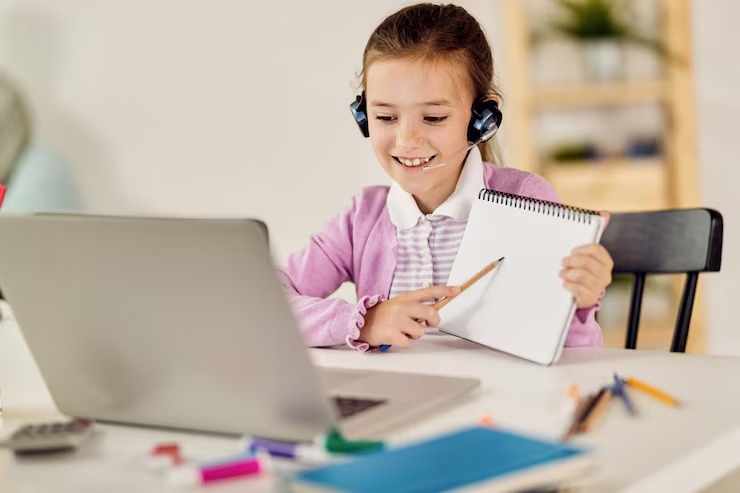
1. Create a Dedicated Learning Space
Children perform better when they have a distraction-free place to study. A comfortable desk, proper lighting, and a quiet environment help improve concentration and create a "school mindset."
You don't need an expensive study room—a small, organized corner can make a significant difference.
Quick Tips:
Keep school supplies nearby.
Remove unnecessary distractions.
Ensure a stable internet connection.
Let your child personalize the study area.
2. Follow a Consistent Daily Routine
A predictable schedule helps children develop discipline and reduces procrastination.
Include:
Class time
Homework
Reading
Breaks
Physical activity
Family time
A balanced routine improves productivity while preventing burnout. Experts consistently recommend structured routines to support children's success in online learning.
3. Make Learning Interactive
Learning becomes exciting when children actively participate instead of simply watching lessons.
Try activities like:
Educational quizzes
Science experiments
Creative storytelling
Learning games
Virtual field trips
Connecting lessons with real-life experiences also helps children understand concepts more effectively.
4. Celebrate Small Achievements
Positive reinforcement builds confidence.
Celebrate milestones such as:
Completing assignments on time
Improving test scores
Reading a new book
Staying focused during class
Simple rewards like praise, stickers, or choosing a weekend activity can motivate children to keep progressing.
5. Encourage Questions and Curiosity
Children learn best when they feel comfortable asking questions.
Instead of giving immediate answers, encourage them to think critically by asking:
"What do you think?"
"Can you solve it another way?"
"Why do you think this happened?"
Curiosity develops independent learners who enjoy discovering new ideas.
6. Balance Screen Time with Offline Activities
Although online education relies on technology, learning shouldn't end with the screen.
Encourage:
Reading physical books
Drawing and painting
Outdoor play
Music
Sports
DIY projects
Regular movement and offline activities improve focus and reduce screen fatigue.
7. Stay Involved Without Taking Over
Parents don't need to become teachers.
Instead:
Check your child's progress regularly.
Ask about their lessons.
Help when needed.
Encourage independence.
This balance helps children become responsible learners while knowing support is always available.
8. Build Strong Communication with Teachers
Successful online learning is a partnership between students, parents, and teachers.
Regular communication helps parents:
Track academic progress
Address challenges early
Understand learning goals
Support children more effectively
A collaborative approach creates a better learning experience.
Why Families Are Choosing Online Schools
Modern virtual schools offer much more than recorded videos. Many provide:
Live interactive classes
Qualified teachers
Personalized learning support
Internationally recognized curricula
Flexible schedules
Safe learning environments
These features allow students to receive a high-quality education while learning from home.
Why Virtual International School (VIS) Stands Out
Choosing the right online school is just as important as creating the right learning environment.
At Virtual International School (VIS), students benefit from a globally recognized British curriculum, experienced educators, interactive live classes, and personalized academic support. VIS focuses on helping learners build confidence, critical thinking, and lifelong learning skills in a flexible online setting.
Whether your child is beginning their educational journey or preparing for future academic success, VIS provides a structured and engaging online learning experience designed for today's global learners.
Final Thoughts
Online learning is most successful when children feel supported, motivated, and engaged. By creating a structured routine, encouraging curiosity, celebrating progress, and choosing a quality virtual school, parents can help their children thrive academically and personally.
With the right guidance and the right learning environment, online education becomes more than just studying from home—it becomes a pathway to lifelong success.





Write a comment ...